

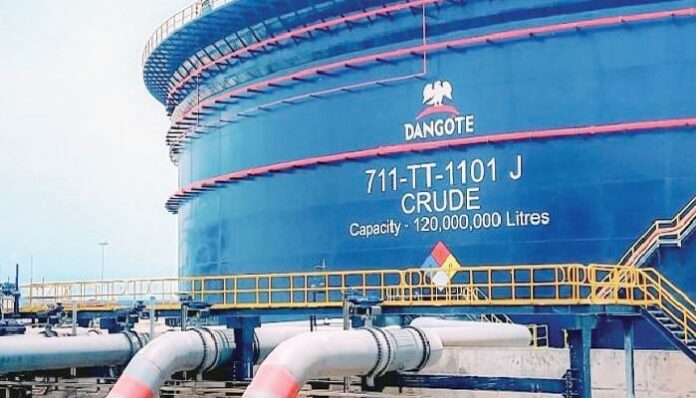

Dangote Petroleum Refinery has filed a fresh lawsuit at the Federal High Court in Lagos seeking to nullify petrol import licences issued to the Nigerian National Petroleum Company Limited (NNPC Ltd) and several fuel marketers, escalating the long-running dispute over fuel importation in Nigeria amid growing domestic refining capacity.
According to court documents seen by Reuters, the refinery is asking the court to set aside import permits granted or renewed by the Nigerian Midstream and Downstream Petroleum Regulatory Authority (NMDPRA), arguing that the approvals violate an earlier court directive ordering parties to maintain the status quo pending the determination of the matter before the court.
The latest legal action comes at a time when Nigeria’s dependence on imported petrol is beginning to decline significantly following increased output from local refineries, particularly the Dangote Refinery.
Recent data released by the NMDPRA showed that petrol imports into Nigeria dropped sharply in the first quarter of 2026 as supply from domestic refineries rose to approximately 3.18 billion litres, reflecting the changing dynamics of the country’s downstream petroleum market.
In its court filing, Dangote Refinery argued that continued issuance of fuel import licences contravenes Nigerian law, which, according to the company, permits the importation of petroleum products only when local production is insufficient to meet national demand.
The refinery maintained that the newly issued permits threaten its commercial operations and undermine efforts to deepen local refining capacity at a time when the multi-billion-dollar facility is ramping up production.
The development is expected to reignite debate within the downstream sector over the future of fuel importation in Nigeria, especially as the country seeks to reduce dependence on imported refined petroleum products after decades of reliance on foreign supply.
Fuel marketers, however, have consistently defended petrol imports, insisting that importation remains necessary to ensure adequate nationwide supply, stabilise the market, and prevent shortages, particularly during periods of distribution disruptions or fluctuating domestic output.
Industry analysts say the dispute reflects broader tensions between efforts to promote local refining and concerns over maintaining market competition and energy security.