


By Onu Okorie
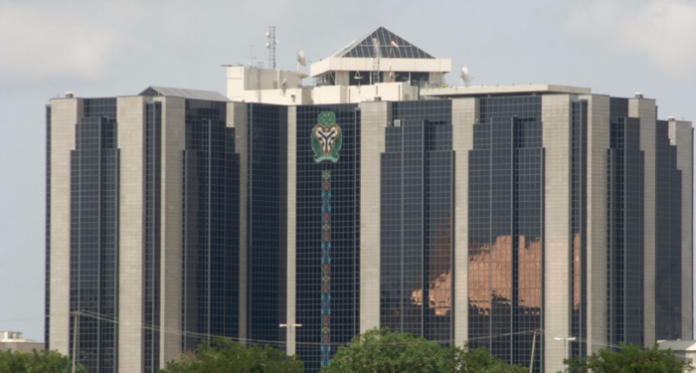
Financial analysts broadly anticipated the hold decision of the Monetary Policy Rate MPR by the Central Bank of Nigeria CBN at the last Nigeria’s Monetary Policy Committee PMC meeting in Abuja. But many warn that the prolonged period of tight monetary policy is beginning to take a measurable toll on the real economy — particularly on manufacturers and small businesses already grappling with high operating costs.
MPC had voted unanimously to hold the country’s benchmark interest rate steady at 26.5 per cent, as policymakers navigate persistent inflation and a turbulent global economic environment.
The CBN Governor Olayemi Cardoso announced the decision on Wednesday following a meeting of all 11 MPC members, who reviewed both domestic and international economic conditions before arriving at the unanimous verdict. Alongside the unchanged Monetary Policy Rate MPR, the committee retained the asymmetric corridor at +500 and -100 basis points, the Cash Reserve Ratio (CRR) for Deposit Money Banks at 45 per cent, Merchant Banks at 16 per cent, and non-Treasury Single Account public sector deposits at 75 per cent.
“The MPC recognises its transitory nature and remains confident that the current macroeconomic environment is sufficiently robust to support a return to disinflation,” Cardoso said, addressing the media after the meeting.
The committee flagged the ongoing Middle East crisis as a key external risk, noting that the conflict had pushed energy prices, transportation costs, and global logistics expenses higher. Cardoso was quick to reassure markets, however, stating that the Nigerian economy had remained relatively insulated from the worst effects, thanks to earlier policy reforms aimed at shoring up macroeconomic stability.
“At 26.5 per cent, borrowing remains prohibitively expensive for most manufacturers,” said one Lagos-based economic analyst. “Input costs are high, energy costs are high, and now credit costs are high. The squeeze on margins is becoming unsustainable for many businesses in the productive sector.”
Industry watchers point out that while rate stability may anchor inflation expectations and support foreign exchange market confidence — both critical goals for the CBN — it offers little immediate relief to businesses dependent on affordable credit to finance production and expansion.
Some analysts, however, acknowledge the committee’s difficult balancing act. With inflation still edging upward for a second consecutive month and global shocks remaining unpredictable, a premature rate cut could unravel the hard-won gains in exchange rate stabilisation and investor confidence that the CBN has achieved over the past year.
“The CBN is essentially choosing between macro-stability and growth stimulus,” noted another analyst. “Right now, they are betting that stability is the foundation on which growth must be built — and that bet may yet prove correct, but patience in the manufacturing sector is wearing thin.”
The MPC reaffirmed its commitment to monitoring both domestic and global developments closely, signalling that a policy pivot remains possible if inflationary pressures ease as the committee expects.