

By Hosea Parah
The Society of Energy Editors (SEE) has issued a stark warning regarding Nigeria’s energy and mining sectors, predicting a tough third quarter due to declining crude oil prices, ongoing security threats, and funding issues.
In its Q3 2026 Energy & Extractives Industry Outlook, SEE highlighted that Brent crude’s fall below $80 per barrel signals a “fiscal alarm bell” for the nation, making its economic foundations increasingly susceptible to global geopolitical uncertainties. While easing tensions between the U.S. and Iran have provided some stability, ongoing conflicts in the region continue to exert pressure on energy demand.
Despite improvements in domestic refining through facilities like the Dangote Refinery, consumers are not experiencing significant price relief. SEE forecasts petrol prices may fluctuate between N750 and N850 per litre, hindered by the dollarization of transactions within the petroleum sector.
In the upstream sector, Nigeria is expected to maintain oil production at about 1.75 million barrels per day, contingent on stable security conditions. However, the report cautions that rising financing costs and security risks could undermine growth efforts.
The electricity sector may see a shift towards decentralization, with states implementing the Electricity Act to forge independent power arrangements. However, distribution companies relying on the national grid will face pressures from gas producers favoring industrial customers.
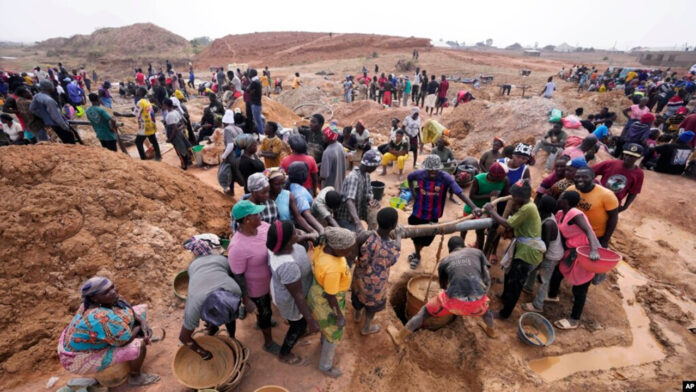
In the mining sector, escalating insecurity in the North-West and North-Central regions threatens investment, particularly in the burgeoning lithium market. SEE warns that without enhanced security measures, formal mining activities could stagnate, while illegal operations may continue to dominate.
SEE calls on the Federal Government to fast-track reforms under the Petroleum Industry Act and to consider launching a “Green Barrel Initiative” to better align Nigeria with global energy trends.
In conclusion, while the sub-$80 oil price environment poses challenges, rapid policy adjustments could mitigate risks, preserving Nigeria’s energy and mineral wealth.