

By: IKE IKERIONWU
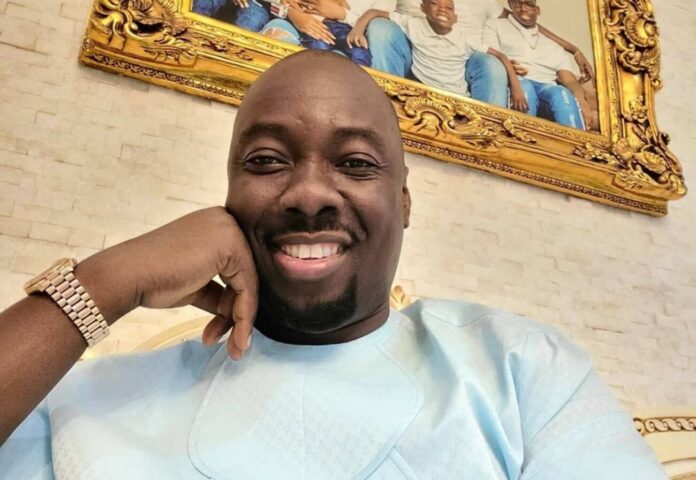
The recent comments attributed to Obi Cubana during a meeting with the Governor of Enugu state, suggesting that the Igbo people lack knowledge and that it is somehow his duty to “educate” them, reveal a troubling arrogance that often accompanies sudden wealth. Let us be clear from the beginning. Obi Cubana may be wealthy and socially visible, but among Igbo opinion influencers, he is still a boy. Amid the gathering of Igbo policymakers and intellectual voices who have shaped discourse across generations, he is still very much a boy.
The Igbo nation did not begin with nightclub empires, celebrity parties, or social media fame. Long before the rise of today’s flashy entrepreneurs, the Igbo had already built one of the most resilient and disciplined commercial cultures in Africa. From the apprenticeship system that has produced thousands of independent business owners to the global networks of trade that connect markets from Onitsha to Guangzhou, Igbo entrepreneurship is rooted in structure, mentorship, and accountability. It is a culture where success is traditionally tied to traceable labor, mentorship lineage, and community reputation. Wealth alone has never been enough to command respect.
This is why Obi Cubana’s tone is troubling. It suggests that material success automatically grants the authority to lecture an entire people about knowledge and progress. That assumption misunderstands the Igbo ethos. In Igbo society, influence is not measured only by the size of one’s bank account or the extravagance of one’s social gatherings. It is measured by wisdom, community contribution, and the ability to uplift others without diminishing the collective dignity of the people.
No one is saying Obi Cubana cannot promote his ideas or mobilize young people under whatever banner he chooses, including the so-called “city boy movement.” But there is a difference between advocacy and condescension. He can continue to hawk his salt under the rain without insulting those who don’t believe in such a business strategy.
The deeper irony is that many of the Igbo entrepreneurs who built enduring legacies did so quietly and with humility. They understood that success carries responsibility. They created industries, mentored thousands through apprenticeship, funded schools and hospitals, and strengthened the economic backbone of their communities. They did not claim intellectual superiority over the people they came from.
Another uncomfortable issue that Obi Cubana and his co-travelers should reflect on is transparency. The Igbo tradition of commerce has always valued traceable enterprise. People knew the markets from which their wealth came. They knew the trade routes, factories, shops, and apprenticeships that produced that prosperity. Today, however, many flamboyant displays of wealth in Nigeria float in a cloud of ambiguity. When sources of wealth cannot be clearly explained through productive enterprise, lectures about educating an entire ethnic group begin to sound hollow.
Igbo people do not need salvation from celebrity businesspeople. What they need is responsible leadership, economic discipline, and voices that strengthen rather than divide the community. The Igbo have survived civil war, economic sabotage, and political exclusion. They rebuilt themselves through grit, networks, and an unshakable belief in enterprise. People with such a history do not suddenly become ignorant because a “wealthy” socialite says so.
If Obi Cubana truly wishes to contribute to Igbo progress, humility would be a good starting point. Respect for elders, intellectuals, and established institutions within the community would also help. Wealth may buy visibility, but it does not automatically confer wisdom.
In the end, the Igbo people will continue to do what they have always done. They will trade, build, mentor, and expand. Movements will come and go. Social media fame will rise and fade. But the deeper Igbo tradition of disciplined entrepreneurship and collective resilience will remain long after today’s “city boy” slogans have disappeared.