

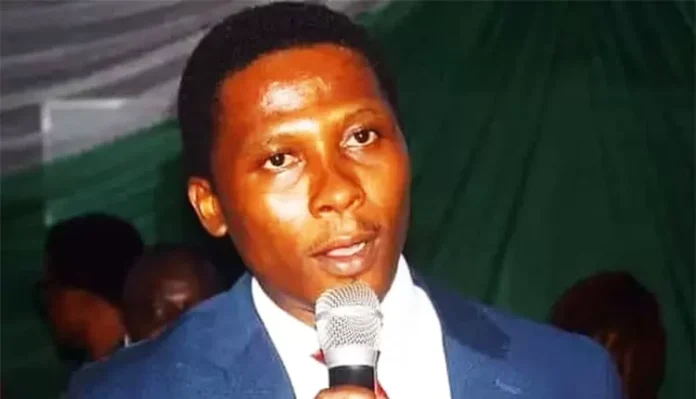

Valentine Obienyem
Until a few months ago, Jones Onwuasoanya wrote copiously and positively about Mr. Peter Obi, presenting him as the best thing that had happened – and would happen – to Nigeria. His conviction was not subtle. In 2022, he declared on Peter Obi: “We must go beyond our keyboards and phone pads to mobilize credible support for the man who is undeniably the best suited for the Nigerian presidency.”
He was among those who even threatened to leave Nigeria if Obi did not win in 2023. For him, as passionately as it appeared at the time, it was Obi or nothing. He saw Obi as the only man embodying the spirit required to turn Nigeria around.
Suddenly, without evident qualms, he turned against the same man. The shift does not particularly surprise me, because I have seen many like him before. Indeed, politics brings out the true nature of man. When such people are confronted, they often say, “Do you know he did not give me a kobo in spite of all I did?”
Who can help me decipher why Jones Onwuasoanya turned against him? Today, he fights him with the intensity of enemies who meet face-to-face in war.
While we wait for someone who can unravel this Gordian knot, let us remember that he is not alone. John Milton, the author of “Areopagitica”, famously championed the liberty of the press, only to later accept a political appointment under Oliver Cromwell’s Commonwealth. With the force of political necessity, Milton transitioned from a passionate advocate for free speech into a government censor in his role as Secretary for Foreign Tongues. In that capacity, he supervised the official news journal “Mercurius Politicus”, effectively becoming a press agent for a regime that suppressed the very dissent he once defended.
So, what exactly is the case with Jones F.C. Onwuasoanya? People like him should be studied as living documents in the laboratory of politics – useful for understanding the causes of such dramatic shifts in allegiance