


From Rhoda Godwin, Yenagoa
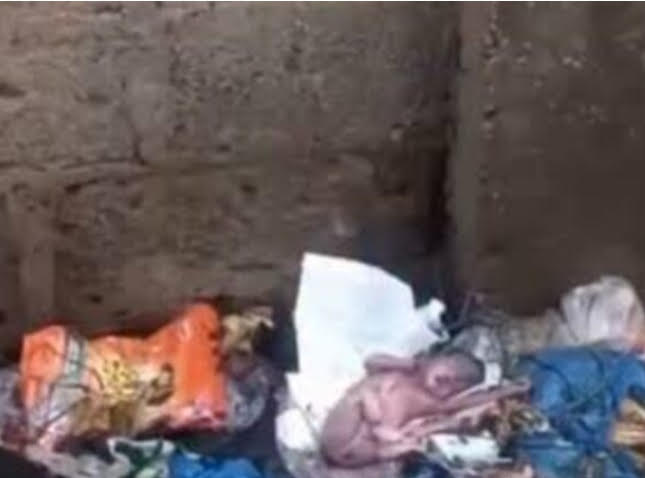
For many residents of Kpansia, a quiet suburb in Yenagoa, Bayelsa State capital, Wednesday (June 17) began with a shocking and heartbreaking discovery. Instead of the usual bustle of daily life, residents woke up to find a newborn baby abandoned at a refuse collection point — a sight that left many stunned, angry, and deeply saddened.
The incident is not an isolated one.
Just days earlier, another newborn baby was reportedly found dumped at a refuse site in Azikoro, another community within the Bayelsa State capital. The two incidents, occurring within a short period, have heightened concerns that child abandonment may be emerging as a disturbing trend in the state.
For residents, the discoveries are more than just news headlines. They are painful reminders of the challenges facing vulnerable children and struggling families.
Many community members, who spoke with our reporter, condemned the acts, and described them as cruel and inhumane. They argued that while economic hardship, social stigma, and personal difficulties may have pushed some individuals into desperate situations, abandoning innocent babies in refuse dumps can never be justified.
Mrs Onome Diekevie, a resident of Yenagoa, expressed sadness over the recurring incidents, and urged authorities to take decisive action.
“It is heartbreaking to hear about newborn babies being dumped like refuse. Authorities need to be more vigilant, while communities should also pay closer attention to suspicious activities around them. This trend must be stopped,” she said.
Her sentiments reflect the growing anxiety among residents who fear that, without urgent intervention, more children could be exposed to life-threatening circumstances.
Beyond the tragedy of abandoned babies, the incidents have also exposed broader concerns about waste disposal practices in the state.
Environmentalist and Bayelsa State refuse contractor, Mr Bright Ayebakari, revealed that sanitation workers often encounter disturbing items while carrying out waste collection duties.
According to him, workers have discovered not only abandoned newborns, but also medical wastes, dead infants, and amputated human body parts mixed with household refuse.
“These discoveries are disturbing, and point to deeper social and moral challenges in our society,” Ayebakari said.
He warned that the indiscriminate disposal of medical wastes poses serious environmental and public health risks. Such materials, he explained, are classified as hazardous wastes, and should be handled through approved disposal channels rather than being dumped alongside domestic refuse.
“Hospitals, clinics, laboratories, and other healthcare facilities have a responsibility to ensure that hazardous medical materials are properly treated and disposed of according to established regulations,” he stated.
Public health experts noted that improper disposal of medical wastes can expose sanitation workers and residents to infections and other health hazards, while abandoned babies face immediate risks of injuries, diseases and death.
The recurring incidents have sparked renewed calls for a coordinated response involving government agencies, law enforcement authorities, healthcare providers, religious bodies, community leaders, and civil society organisations.
Residents have urged the Bayelsa State Government to investigate the cases thoroughly, identify those responsible, and strengthen social welfare systems that can provide support for vulnerable mothers facing difficult circumstances.
Advocates also stressed the importance of increased public enlightenment on reproductive health, responsible parenting, and child protection. They argued that creating safe channels for counselling, adoption services and social support could help prevent desperate decisions that endanger innocent lives.
As Bayelsans grapple with the shock of yet another abandoned newborn, many believe the issue goes beyond crime or negligence. It is a reflection of deeper social challenges that demand urgent attention.
For now, the images of babies discovered among piles of refuse remain painful reminders that the society must do more to protect its most vulnerable members, and ensure that every child is given a chance to live, grow and thrive in safety and dignity.