


As preparations continue for the 2026 FIFA World Cup in the United States, many fans say they remain uncertain about how they will afford or navigate stadium travel, underscoring growing concerns about accessibility at the upcoming tournament.
Fans are facing widespread frustration over high transportation costs, with some host cities introducing expensive rail and shuttle fares to reach stadiums.
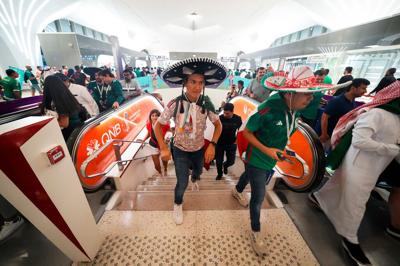
The issue has sparked comparisons with previous tournaments in Germany, Russia and Qatar, where public transport was heavily subsidised or free for match ticket holders, making stadium travel easier and more affordable for supporters.
In contrast, the U.S. has introduced significantly higher costs in certain locations. Fans attending matches at venues such as New Jersey’s MetLife Stadium and Massachusetts’ Gillette Stadium are reportedly being asked to pay up to $98 for round-trip train journeys, far higher than regular commuter fares.
Officials argue that the pricing is necessary to cover the cost of expanded security, additional services and operational demands during the tournament, while also avoiding a burden on taxpayers. However, many fans say the decision is making the World Cup experience unnecessarily expensive, especially alongside already high ticket prices, accommodation costs and international travel expenses.
Some host cities, however, are adopting different approaches. Atlanta, Houston and Seattle will allow regular rail fares to apply, while Miami has announced free shuttle services to its stadium. Philadelphia will also offer return-trip free rides funded through sponsorship, and Kansas City is providing low-cost shuttle options.
The debate has raised broader questions about responsibility for funding fan transport, with some officials arguing FIFA should bear more of the cost, given its projected multi-billion-dollar revenue from the tournament.
Experts note that previous World Cups were often treated as promotional events by host nations, which subsidised transport heavily to enhance fan experience.