

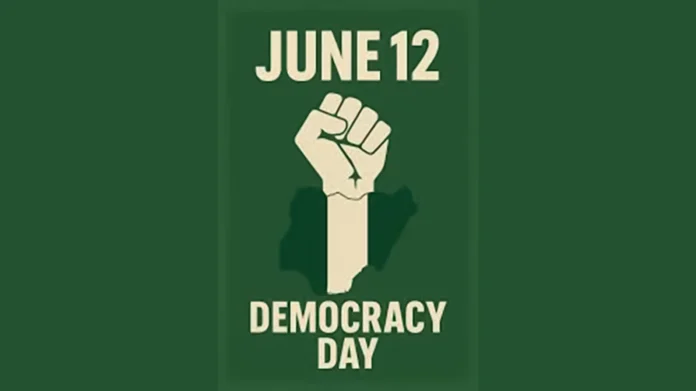

Today, Nigerians are marking what has come to be known as Democracy Day. On June 12, 1993, Nigerians overwhelmingly voted for Chief Moshood Kashimawo Olawale (MKO) Abiola as their civilian president after several years of military rule.
However, the ruling military regime annulled the election, plunging the country into a prolonged political crisis. This injustice sparked nationwide outrage, protests, and an intense struggle that ultimately paved the way for the end of military dictatorship and the birth of the Fourth Republic in 1999.
But in 2018, former President Muhammadu Buhari declared June 12 the new Democracy Day, replacing May 29, in recognition of its historical significance.
Today, June 12 is a public holiday that serves multiple purposes for Nigerians. These include, National Reflection: A time for the country to reflect on its democratic journey, evaluate progress, and address ongoing challenges; Honoring Sacrifice by paying tribute to the martyrs of Nigerian democracy who stood against military oppression; and, upholding Democratic Values: It reinforces the power of the people’s vote and the demand for transparency, justice, and accountability in government.
For years, the date was celebrated locally as “Abiola Day” in Lagos and several southwestern states. In 2018, the Federal Government officially declared June 12 as Nigeria’s national Democracy Day, replacing the previous May 29 celebration. This change was enacted to permanently honour MKO Abiola, his running mate Babagana Kingibe, and the countless activists who fought and died to restore democracy.
The essence of June 12 in Nigeria is the commemoration of the country’s historic 1993 presidential election and the struggle for democratic freedom. Widely regarded as the freest and fairest vote in Nigerian history, it symbolizes national unity that transcended ethnic and religious divides, as well as the ultimate sacrifice made for democratic rule.
Indeed, June 12 holds a unique and powerful place in Nigeria’s political history. Initially remembered as the date of Nigeria’s freest and fairest election, it has since been officially recognized as Democracy Day, a symbol of the nation’s journey toward democratic governance.
The significance of June 12 goes beyond politics. It represents the people’s will, courage, and demand for accountability in governance. It is a date that redefined Nigeria’s democratic values symbolizing sacrifice, struggle, and eventual progress toward civilian rule, which was fully restored on May 29, 1999.
It is worthy of note that June 12 has brought about some positive developments in our national history which includes the following:
Peaceful Transitions of Power
Since 1999, Nigeria has experienced multiple peaceful transfers of power between civilian governments, including from one political party to another in 2015 a historic first in the country.
Expanded Civic Space
The return to democracy has allowed for more freedom of expression, press freedom, and the growth of civil society organizations. Social media has also enabled citizens to engage in national discourse and hold leaders accountable.
Electoral Reforms
Although far from perfect, Nigeria has made strides in electoral processes. Innovations such as the introduction of biometric voter registration, the Bimodal Voter Accreditation System (BVAS), and digital result transmission are aimed at reducing fraud.
Growth of Democratic Institutions
Institutions like the National Assembly, INEC (Independent National Electoral Commission), the judiciary, and anti-corruption bodies have gained strength, even though they still face challenges.
Youth Participation
Movements like #EndSARS and the passage of the Not Too Young To Run law have empowered young Nigerians to participate more actively in politics.
Despite these achievements, there are still factors clogging the nation’s wheel of progress and development, amongst which are-
Electoral Violence and Voter Suppression
Elections in Nigeria are still marred by violence, intimidation, vote buying, and low voter turnout, which undermines the credibility of the democratic process.
Corruption and Poor Governance
Despite anti-corruption campaigns, Nigeria still battles systemic corruption, mismanagement of public funds, and weak transparency mechanisms in government.
Insecurity
Rising insecurity from Boko Haram insurgency to banditry and communal clashes threatens national unity and weakens citizens’ confidence in the democratic system.
Judicial Independence
There are ongoing concerns about the independence and impartiality of the judiciary, especially in high-profile political cases.
Poverty and Unemployment
A democracy thrives when the people prosper. However, economic challenges, including high unemployment and inflation, have contributed to public disillusionment with democracy.
Ethno-Religious Divisions
Nigeria’s politics is still heavily influenced by ethnic and religious identities, leading to marginalization and calls for restructuring or secession in some regions.
Suffice it to say that, in all ramifications, June 12 is not just a date on the calendar it is a living memory of Nigeria’s collective demand for democracy, equity, and good governance. While there have been notable achievements since the return to civilian rule, many challenges still hinder the realization of a full democratic ideal. As Nigeria commemorates Democracy Day today, it must recommit to building a system where justice, development, and citizen engagement are not just ideals, but realities for all Nigerians. Only then can the true spirit of June 12 be honored.
End
QUOTE
As Nigeria commemorates Democracy Day today, it must recommit to building a system where justice, development, and citizen engagement are not just ideals, but realities for all Nigerians. Only then can the true spirit of June 12 be honored.