

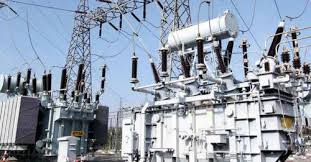

The Chairman of the Economic and Financial Crimes Commission (EFCC), Ola Olukoyede, has linked Nigeria’s persistent electricity problems to corruption within the power sector. During a visit by the House Committee on Anti-Corruption and Financial Crimes, Olukoyede revealed that the EFCC’s investigations had uncovered widespread malpractices, including contractors substituting quality materials with substandard ones.
Olukoyede explained that the use of inferior electrical equipment has led to frequent failures, outages, and grid collapses. He noted that while contracts were awarded for quality materials, contractors often cut corners by purchasing cheaper, lower-quality alternatives, such as using 5.0 gauge cables instead of the specified 9.0 gauge.
In addition to this, Olukoyede highlighted the poor implementation of capital projects over the past two decades, with less than 20% of projects completed. He stressed that such inefficiency hampers infrastructural development and national growth. The EFCC aims to collaborate with the National Assembly to improve capital project execution, with a goal of achieving 50% completion within the year.
The commission currently handles over 20,000 ongoing investigations, having received more than 17,000 petitions in the past year alone. Olukoyede expressed concern over the capacity of the EFCC to manage the increasing workload, with a staff of fewer than 5,000.
House Committee Chairman Obinna Onwusibe called for collaboration between the EFCC, judiciary, and Attorney General to expedite trials and reduce the backlog of suspects awaiting trial, ensuring that justice is delivered more efficiently.
Onwusibe also urged the EFCC to maintain transparency and avoid being perceived as a tool for political maneuvering, emphasizing the need for accountability in its operations.
The Chairman of the Economic and Financial Crimes Commission (EFCC), Ola Olukoyede, has linked Nigeria’s persistent electricity problems to corruption within the power sector. During a visit by the House Committee on Anti-Corruption and Financial Crimes, Olukoyede revealed that the EFCC’s investigations had uncovered widespread malpractices, including contractors substituting quality materials with substandard ones.
Olukoyede explained that the use of inferior electrical equipment has led to frequent failures, outages, and grid collapses. He noted that while contracts were awarded for quality materials, contractors often cut corners by purchasing cheaper, lower-quality alternatives, such as using 5.0 gauge cables instead of the specified 9.0 gauge.
In addition to this, Olukoyede highlighted the poor implementation of capital projects over the past two decades, with less than 20% of projects completed. He stressed that such inefficiency hampers infrastructural development and national growth. The EFCC aims to collaborate with the National Assembly to improve capital project execution, with a goal of achieving 50% completion within the year.
The commission currently handles over 20,000 ongoing investigations, having received more than 17,000 petitions in the past year alone. Olukoyede expressed concern over the capacity of the EFCC to manage the increasing workload, with a staff of fewer than 5,000.
House Committee Chairman Obinna Onwusibe called for collaboration between the EFCC, judiciary, and Attorney General to expedite trials and reduce the backlog of suspects awaiting trial, ensuring that justice is delivered more efficiently.
Onwusibe also urged the EFCC to maintain transparency and avoid being perceived as a tool for political maneuvering, emphasizing the need for accountability in its operations.