


By Ahmed Akanbi
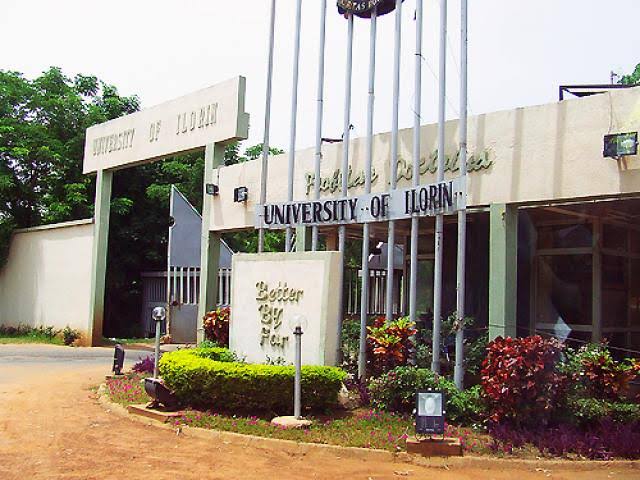
The University of Ilorin has rejected a proposal by private hostel operators to increase accommodation fees by 100 per cent, approving only a 30 per cent hike after negotiations with student leaders.
The decision was announced following a meeting between the university management and the National Association of Nigerian Students (NANS), Kwara State Axis, over a viral report on hostel fee reviews.
A statement by the university’s Director of Corporate Affairs, Kunle Akogun, said the NANS delegation, led by Chairman, Comrade Yusuf Abdulquadir Eleburuke, met with the Ag Dean of Students Affairs, Dr Alex Morenikeji Akanmu, who represented the Vice-Chancellor, Prof Wahab Olasupo Egbewole (SAN).
Akanmu commended NANS for seeking clarification through dialogue rather than speculation, explaining that the affected hostels are privately owned but regulated by the university to protect students’ interests.
He disclosed that hostel fees are reviewed every three academic sessions, listing the previous rates as N196,000 for two-person rooms, N180,000 for three-person rooms and N157,000 for four-person rooms.
According to him, hostel operators had proposed nearly a 100 per cent increase, but the Vice-Chancellor rejected it and ordered negotiations to prevent excessive financial burden on students.
After considering inflation and rising maintenance costs, both parties agreed on a 30 per cent increase with the new approved rates are N255,000 for two-person rooms, N234,000 for three-person rooms and N204,000 for four-person rooms.
As part of the agreement, the university directed operators to renovate facilities and provide alternative power sources, including solar systems, to improve living conditions.
Akanmu also clarified that the caution fee is refundable if there is no damage, while the N36,400 utility charge covers essential services for the session and is not part of accommodation fees.
Expressing satisfaction with the outcome, NANS Kwara commended the university’s transparency and open-door policy, and called on investors to build more hostels to ease students’ accommodation pressure.