


Nigeria’s efforts to achieve a sustainable energy future will deliver the desired results if she introduces the right polices and deploys fit-for-purpose technology, while at the same time developing a robust supply chain and human resource base to help to unlock production and investments.
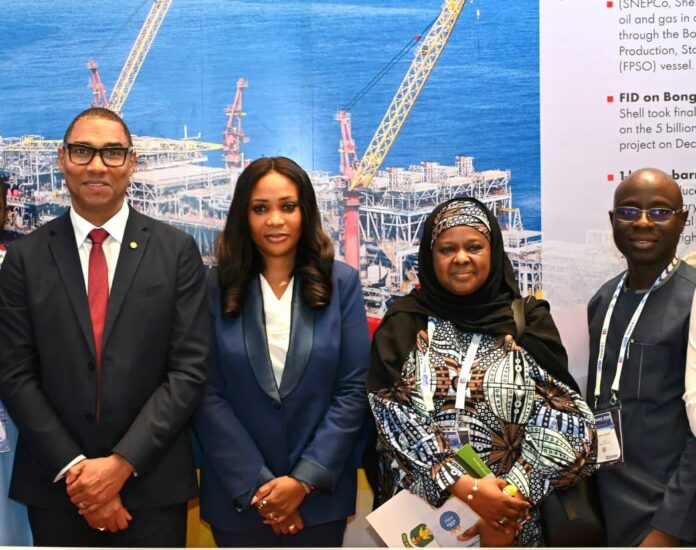
Managing Director, Shell Nigeria Exploration and Production Company Limited (SNEPCo), Ronald Adams made the remark while opening a panel session at the ongoing annual international conference and exhibition of the Nigeria Section of the Society of Petroleum Engineers (SPE) in Lagos yesterday.
He explained that the right policies would provide a good framework for a sustainable energy future while technology “will help unlock more with less” as efficient supply chains and human resources will drive industrial growth towards a secure energy future.
“The question is no longer whether Nigeria will play a key role in the future of energy, but how quickly and effectively we can harness our potentials to deliver affordable, secure, and increasingly cleaner energy for Nigeria, and the world,” he said.
Pledging Shell’s support for Nigera’s sustainable energy future, he said SNEPCo is leveraging technology such as predictive analytics, integrated data systems, and the right maintenance philosophy to drive record levels of plant availability on Bonga, nearly 20 years after first oil. “That’s performance built on foresight, technology, and a commitment to excellence,” Ronald said.
In recognition of the role of an efficient supply chain, he said SNEPCo is taking steps to ensure that over 90% of the contract value in its operations is executed by Nigerian companies as it continues to grow the capacity of indigenous contractors in supply of goods and delivery of services.
“A lot more needs to be done to scale up local competence,” he pointed out. “End-to-end industrial capability is limited in Nigeria, which means project scopes often get split between in-country and overseas, increasing cost and in some cases delaying delivery. To bridge the gap, there is the need to invest in local fabrication and manufacturing centers, regional standardization and certification, and access to capital for local vendors.”
He added: “We will continue to stress the need for sustained reforms to ensure stable and investor-friendly fiscal environments that reduce uncertainty. A sustainable energy future for Nigeria and Africa will not emerge by chance. It must be built intentionally, collectively, and courageously.”