

By Hosea Parah, Abuja
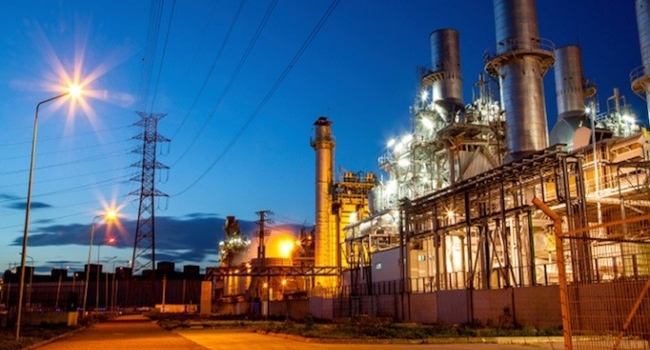
As Nigeria enters 2026, the energy sector exhibits a renewed sense of stability and optimism, largely attributable to the operational success of the Dangote Refinery. This landmark facility has begun normal operations, significantly diminishing the nation’s dependence on fuel imports and helping to stabilize volatile pump prices.
The focus for the coming year will shift from merely managing crises to executing a proactive strategy across three critical areas: upstream stabilization, gas and power readiness, and coherent policy development.
In the upstream sector, production levels are expected to remain steady around 1.6 million barrels per day (mbpd). This stability is driven by the integration of divested assets aimed at boosting onshore production and the pivotal Ogoni reconciliation project, which is set to transition from planning to active fieldwork without reigniting local tensions.
A major milestone for the first quarter of 2026 is the commissioning of the OB3 pipeline, which is anticipated to enhance gas distribution nationwide. This development is expected to boost thermal generation capacity and improve overall grid reliability. However, challenges such as gas offtake stability and metering accuracy will be critical to the success of these initiatives.
To sustain this momentum, the Nigerian government must adopt a transparent approach to subsidy retargeting while ensuring access to foreign exchange for essential energy imports. Coordinated security measures will also be essential to protect vital infrastructure from theft and sabotage.
Experts predict that stable crude production and a reliable downstream supply will lead to gradual improvements in macroeconomic indicators. Inflation rates are projected to decrease to between 21% and 24%, while the Naira is expected to stabilize within a tighter range against the dollar, between ₦1,450 and ₦1,620.
As Q1 2026 progresses, stakeholders will closely monitor key developments, including the commissioning of the OB3 pipeline, advancements in the Ogoni project, and the operational performance of the Dangote Refinery. With a focus on disciplined execution, Nigeria aims to enhance the resilience of its energy sector, setting the stage for continued growth and stability in the months to come.
if Nigeria effectively leverages this early momentum to enhance refining operations, implement the Ogoni project, and achieve critical gas infrastructure milestones, it stands to significantly reduce its import exposure and improve energy stability, creating a more robust economic environment.