


From Rhoda Godwin, Yenagoa
For the people of Odi in Bayelsa State, the annual Ogori Ba Uge Festival is far more than music, colourful attire, and cultural displays. It is a living reminder of a time when fear ruled their land, and survival depended on courage, unity, and hope.
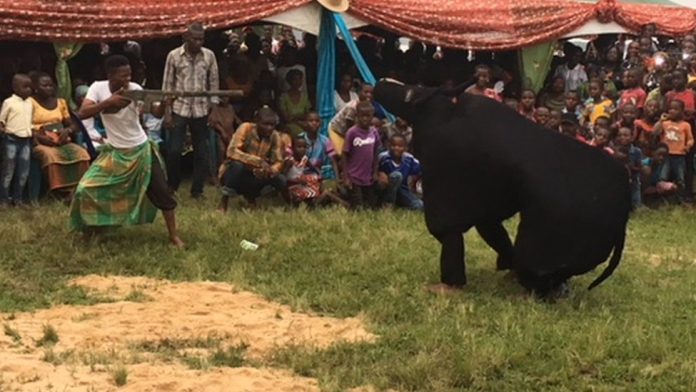
Generations ago, according to the community’s history, a dreaded buffalo, known as Ogori, terrorised Odi for years. Farmers abandoned their farmlands, families struggled with hunger, and daily life came to a standstill as the animal made movements dangerous. The once-thriving community lived under the shadow of fear until brave hunters, led by Akara Edike, finally brought down the beast, restoring freedom to the people.
Sixty-nine years later, that victory continues to echo through songs, dances, and storytellings as Odi celebrates the 69th edition of the Ogori Ba Uge International Festival.
Speaking at the event on Monday, Bayelsa State Governor, Senator Douye Diri, reminded residents that festivals like Ogori Ba Uge are not merely occasions for entertainment, but celebrations of history, resilience, and identity.
He called on banks, oil companies, and other private organisations operating in Bayelsa to support cultural festivals as part of their corporate social responsibility (CSR), noting that such celebrations deserve sustainable funding beyond government support.
”It is not enough to come here just to celebrate. We must understand why we are celebrating. This festival represents freedom. It reminds us that when people unite against adversity, they can overcome even the greatest challenges,” the governor said.
Diri noted that many globally recognised festivals thrive through private sector sponsorship, and urged corporate organisations in Bayelsa to invest in preserving the state’s cultural heritage.
Earlier, the Chairman of the 2026 Festival Planning Committee, Prof Ebikisei Udisi, described the festival as the heartbeat of Odi’s history.
According to him, the Ogori terror lasted for about five years, leaving the community in hardship, hunger, and uncertainty before the people eventually reclaimed their freedom.
”Today, we celebrate more than the killing of a buffalo. We celebrate the survival of a people, the power of unity, and our determination to preserve our history for generations yet unborn,” Udisi said.
As the drums echoed across Odi, and cultural performers entertained guests, the deeper message of the festival remained clear: every dance tells the story of a people who refused to surrender to fear.
For many young people attending the celebration, the festival offered more than entertainment. It became a classroom without walls—a chance to hear the stories of their ancestors, appreciate their roots, and understand that the freedoms they enjoy today were won through courage, sacrifice, and unity.
In Odi, the Ogori may have fallen decades ago, but its story continues to inspire a community determined never to let its history fade.