

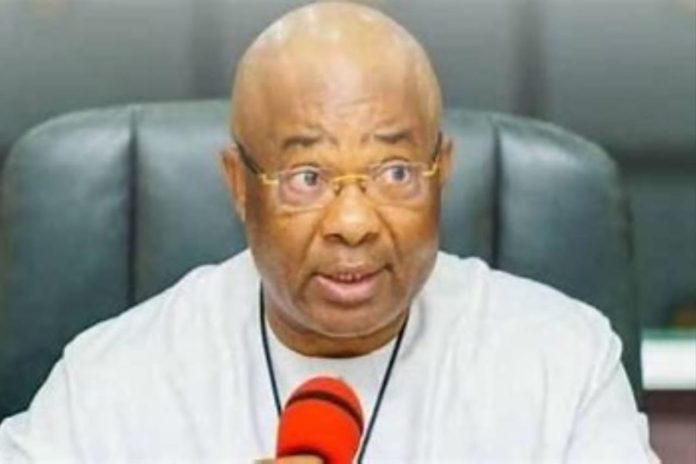

The endorsement of President Bola Tinubu for 2027 by four out of the five South-East governors—Hope Uzodimma of Imo, Francis Nwifuru of Ebonyi, Peter Mbah of Enugu, and Charles Soludo of Anambra—highlights a profound, growing divide between executive political elites and the populace they represent. While these leaders frame their backing of the ruling All Progressives Congress around increased Federal Account Allocation Committee disbursements and regional development initiatives, their claims reflect an elite exercise in power retention rather than a response to local economic realities.
Governors like Peter Mbah point to higher monthly federal allocations following subsidy removals as a major success, using these expanded coffers to settle state salaries and finance local infrastructure projects. Proponents further highlight regional interventions, such as the establishment of the South East Development Commission and the ongoing rehabilitation of key arterial transit corridors like the Enugu-Port Harcourt highway.
However, this top-level political narrative collapses when measured against the daily lives of citizens across the region. Nominal revenue growth at the state government level has failed to cushion the public against unchecked inflation, severe currency devaluation, and soaring living costs that continue to erode household purchasing power.
Compounding this economic hardship is the unresolved security crisis across the South East. Persistent sit-at-home enforcement and civil unrest continue to cripple local agriculture, trade, and private investment. Rather than pursuing a meaningful political solution or constructive dialogue to de-escalate tensions, federal engagement has remained largely kinetic, leaving many residents feeling neglected and vulnerable.
Historically, South-East governors have aligned with the central government to secure state-level federal patronage and safeguard their own political continuity. Yet, electoral history demonstrates that state executive endorsements rarely dictate public voting behavior. In 2023, despite the APC holding state machinery across parts of the region, Peter Obi won a sweeping majority of the South-East vote.
While we are mindful that the current economic challenge may be global, what makes the Nigerian situation more sobering stems from several factors, including the high poverty rate. In most of the 36 states, pipe borne water remains a scarce commodity while thousands die every year because of poor sanitation and ill-equipped health centres. Many educational institutions are decrepit and inadequately staffed. Perhaps even more depressing, despite the stagflation that pushed the cost of food, goods and services beyond the reach of majority of Nigerians, some states are not only owing backlog of workers’ salaries and pensions, but are also yet to implement the National Minimum Wage of N70,000 signed into law two years ago.
In the South East and other regions, rising fuel prices amid astronomical costs of goods and services have continued to torment the people; rendering their lives miserable. The federal government often blames the activities of middlemen for the soaring cost of goods and services. While this observation is partly true, the unassailable fact remains that the nation’s monetary and fiscal policies are either wrong-headed or poorly implemented, thereby inflicting more pain on the masses. For instance, it is simple economics that if local producers source their raw materials and machinery offshore and are subjected to the vagaries of high exchange rate, the cost of their finished products would reflect their production cost and profit margin. The consumer bears the brunt
Ultimately, the four governors’ posturing masks a stark structural divide: while political elites prioritize self-preservation through ruling-party alignment, everyday citizens remain exposed to severe economic hardship, unrest, and official indifference. Until federal policies deliver tangible relief in security and cost-of-living standards, the executive leadership’s political maneuvering will remain entirely detached from the prevailing sentiment of the electorate.
Endorsement does not translate to victory. Each of the governors and their political friends has one vote and may even lose in their pooling votes and Government houses if they fail to deliver dividends of democracy to the electorates.