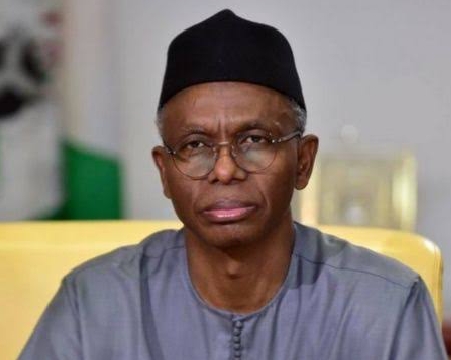

Former Kaduna State Governor, Nasir Ahmad El-Rufai, has dismissed as outright false reports circulating online suggesting that he has taken a position on which region of the country should produce Nigeria’s president in the 2027 general elections.
In a statement posted on his verified Facebook page on Monday, El-Rufai described the reports as “fake news,” insisting that he has never made any comment—publicly or privately—on presidential zoning ahead of 2027.
The former governor said he was compelled to respond due to the speed with which the claims spread across social media and some online news platforms, warning that misinformation poses a serious threat to public discourse.
El-Rufai clarified that his views can only be reliably sourced from his official social media accounts or interviews granted to recognised media organisations. He cautioned members of the public against attributing opinions to him simply because he shares articles written by other commentators.
“Sharing opinion pieces does not mean I authored them or adopted every viewpoint expressed therein,” he said, stressing the importance of clear attribution in political reporting.
He framed the clarification within what he described as an era of reckless politicking and deliberate misuse of social media, noting that false attribution has become a recurring tactic in shaping misleading narratives.
“These caveats are essential as we confront irresponsible politicking and the deliberate spread of fake news,” El-Rufai said.
The former governor also criticised media platforms and senior editors who, according to him, publish unverified claims without due diligence. He warned that such practices contribute to what he described as a growing culture of misinformation, capable of distorting national conversations.
El-Rufai dismissed the reports attributed to him as deliberate fabrications unworthy of serious engagement, urging the public to demand higher journalistic standards and exercise caution before sharing political content.
He concluded by emphasising the importance of verification and responsible reporting, warning that democracy suffers when falsehoods are allowed to circulate unchecked in the public space.