
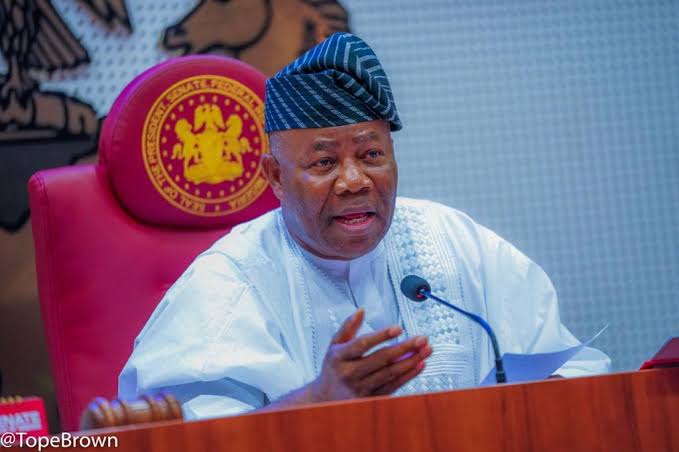

The Senate President, Senator Godswill Akpabio, has implemented a major committee reshuffle, realigning leadership positions to strengthen oversight, enhance efficiency, and place experienced lawmakers in roles critical to national governance.
At the centre of the shake-up is Senator Yahaya Abdullahi’s appointment as Chairman of the Senate Committee on National Security and Intelligence. Abdullahi, formerly Chairman of the Committee on National Planning, now oversees one of the Senate’s most sensitive committees, charged with monitoring national security policies, intelligence matters, and legislative oversight of security agencies.
To fill the gap left by Abdullahi, Senator Mustafa Musa takes over the National Planning Committee, which is instrumental in reviewing long-term development strategies, budget frameworks, and policy implementation.
Announcing the changes on the Senate floor, Akpabio said the reshuffle was guided by the Selection Committee he chairs and designed to optimize legislative performance. “We are aligning talent with responsibility to ensure critical national issues are handled by lawmakers with the relevant expertise,” he said.
The shake-up also impacts the Committee on Livestock and Animal Husbandry. Shehu Buba, recently removed from the National Security Committee, has been appointed its new chairman, ensuring leadership continuity across committees.
In another move, Senate Minority Whip Osita Ngwu has been named Acting Chairman of the Senate Committee on Air Force, stepping in for Senator Godiya Akwashiki, who is currently indisposed. Ngwu’s appointment maintains uninterrupted oversight of Air Force matters.
Observers note that the reshuffle underscores Akpabio’s strategic approach to legislative governance, particularly in areas of national security and planning, where expertise and timely decision-making are critical. By repositioning experienced lawmakers into committees aligned with their skills, the Senate leadership is signaling a commitment to accountability, effective governance, and legislative efficiency.
Analysts say the realignment is likely to improve policy deliberations, strengthen oversight of sensitive sectors, and enhance the Senate’s ability to hold the executive accountable. The adjustments reflect a broader focus on ensuring that leadership in committees is both capable and responsive to the country’s evolving legislative and security needs.