

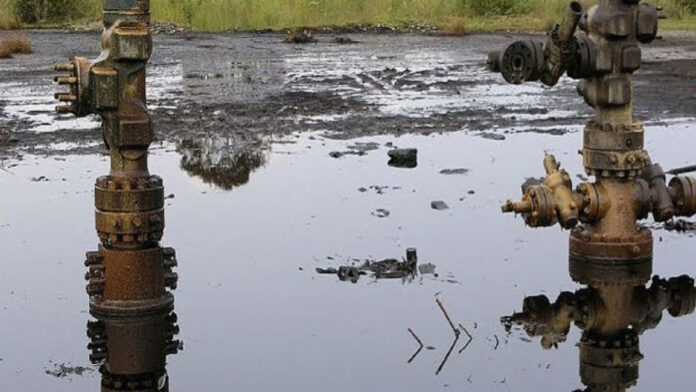

Oilwatch International has called for the immediate cleanup of oil-polluted communities across Bayelsa State and the Niger Delta, urging the Federal Government to take decisive action to restore degraded environments and livelihoods.
The call was made at the organisation’s 2026 stakeholders’ meeting, themed ‘Reclaiming ecological integrity: A frontline community partnership for ecological healing,’ held in Yenagoa, Bayelsa State.
Speaking at the event, Oilwatch Coordinator, Mr. Kentebe Ebiaridor, lamented that decades of environmental pollution had deprived many residents of the Niger Delta of their livelihoods and dignity.
Ebiaridor said the initiative was aimed at addressing the long-term impacts of environmental degradation and reconnecting affected communities with their natural environment.
He urged the Federal Government to move beyond rhetoric and implement concrete measures to accelerate environmental restoration across the region.
According to him, ongoing remediation efforts in Ogoniland and parts of Bayelsa should be expanded to cover all oil-impacted communities in the Niger Delta.
He also advocated economic diversification, warning that continued dependence on oil revenues was unsustainable as the global economy shifts away from fossil fuels.
Ebiaridor further called for the establishment of a $1 trillion remediation fund to support large-scale cleanup operations and ecological recovery across the Niger Delta.
Also speaking, the Chief Operating Officer of Environmental Conservation Agriculture and Rural Development (ECARD), Chief Alagoa Morris, described Bayelsa’s environmental report as a significant milestone in the region’s quest for environmental justice.
Morris, who is also the Technical Adviser on Environment to the Bayelsa State Government, said the report provides a roadmap for broader environmental restoration efforts.
He expressed optimism that the United Nations-backed cleanup model currently being implemented in Ogoniland would be extended to Bayelsa and other polluted communities in the Niger Delta.
Morris stressed the need for sustained advocacy by civil society organisations to promote environmental justice, protect public health and restore livelihoods in affected communities.
He added that companies operating in the extractive sector must be held accountable under the ‘polluter pays’ principle and compelled to remediate damaged ecosystems.
A lecturer at Niger Delta University, Dr. Charles Oyibo, warned that environmental degradation continues to threaten livelihoods and expose communities to serious health risks.
Oyibo noted that oil exploration activities have historically prioritised economic benefits over environmental protection, leaving host communities to bear the consequences.
He called for greater public awareness and stronger accountability mechanisms to ensure oil companies take responsibility for environmental damage and support remediation efforts.