


By Rosemary Ogbonna
Environmental NGOs have called on Nigerian media organisations to invest in climate literacy and shift from basic weather reporting to in-depth, solution-oriented journalism.
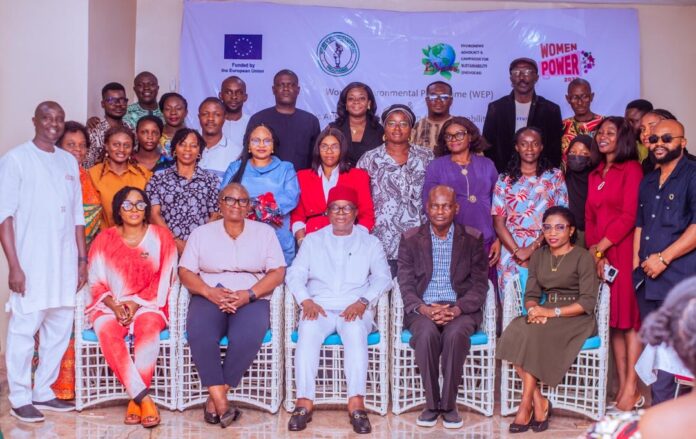
The call was made at a two-day training conference on “Climate Governance and Gender Mainstreaming in the United Nations Framework Convention on Climate Change and Minamata Conventions” held in Abuja.
The event was organised by EnviroNews Advocacy & Campaigns for Sustainability in collaboration with the Women Environmental Programme.
Former House of Representatives member Sam Onuigbo, sponsor of Nigeria’s Climate Change Act 2021, said the media serves as a critical bridge between scientific knowledge and public action. He urged newsrooms to establish specialised environmental desks and pursue investigative reporting to counter misinformation and hold institutions accountable.
“Journalism is the bridge between scientific knowledge and public consciousness,” Onuigbo said. “Scientists can publish reports, legislators can enact laws, and governments can formulate policies, but without journalists who translate technical realities into human understanding, public mobilisation becomes difficult.”
He said climate journalism must go beyond reporting temperature rises and summits to include holding governments accountable for climate commitments, investigating climate financing and environmental corruption, and amplifying the voices of vulnerable communities.
Onuigbo also highlighted the Minamata Convention on Mercury, warning that mercury pollution from artisanal mining continues to contaminate water bodies and endanger health in Nigeria. Exposure, he said, can cause neurological disorders, developmental impairments, respiratory illnesses and long-term ecological damage.
EnviroNews Nigeria Publisher Michael Simire said the need for informed, gender-responsive climate governance has become urgent as Nigeria faces worsening floods, heatwaves, biodiversity loss and pollution.
“Journalists are not just storytellers; they are agenda setters, watchdogs, educators and catalysts for change,” Simire said.
“Women and girls are disproportionately affected by climate change and mercury pollution, yet their voices remain underrepresented in policy spaces. Integrating gender perspectives into environmental reporting is essential for justice, equity and effective solutions.”