
…. Oppositions, economists raise the alarm
By Ben Atonko
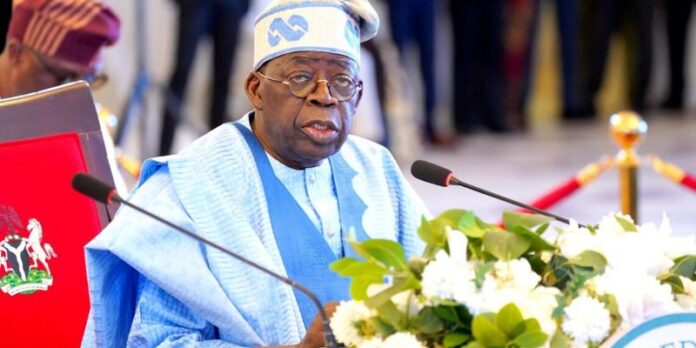
The administration of President Bola Tinubu has borrowed N72 trillion in its first 22 months in office, fresh data reviewed by Daily Newscraft has shown.
The figure, which covers both domestic and external loans, contracted between May 29, 2023 and March 31, 2026 has reignited debates over Nigeria’s fiscal path and debt sustainability.
According to figures compiled from the Debt Management Office (DMO) quarterly reports and budget implementation documents, the N72 trillion comprises N48.3 trillion in domestic borrowing through FGN bonds, Treasury Bills and Ways & Means advances and N23.7 trillion in external loans from multilateral lenders, bilateral partners and the Eurobond market.
When the Tinubu administration took over office in May 2023, Nigeria’s total public debt stood at N87.38 trillion. As of March 31, 2026, the DMO’s provisional data puts the figure at N159.4 trillion.
The Ministry of Finance said that much of the borrowing was used to fund critical infrastructure, clear outstanding Ways & Means from the CBN, finance petrol subsidy removal transition costs and service legacy debts amid a revenue shortfall.
“From Day One, this government inherited a revenue crisis and a backlog of obligations,” former Minister of Finance and Coordinating Minister of the Economy, Wale Edun, told reporters in Abuja recently.
“The N72 trillion figure must be seen against the N30 trillion in Ways & Means securitisation approved by the National Assembly in 2023, FX reforms that revalued our external debt stock and the capital needed to keep the economy from collapsing after subsidy removal,” Edun explained.
He added that the government had paid down N12.6 trillion in debt service over the same period and grown federally collected revenue by 66 per cent year-on-year as of Q1 2026.
Opposition parties and economists, however, say the pace of borrowing is unsustainable.
“Borrowing N72 trillion in 22 months is an average of N3.27 trillion every month. At this rate, we’re mortgaging the future of our children. What Nigerians see on ground does not match the debt,” Hon. Kingsley Chinda, House Minority Leader, said.
PDP presidential candidate in 2023, Alhaji Atiku Abubakar, described the borrowing as “reckless”.
“Nigerians were promised that subsidy removal would end borrowing. Instead, borrowing has accelerated. Where are the roads, the rail, the power?” he asked.
The CEO of Economic Associates, Dr. Ayo Teriba, noted that naira depreciation has inflated the size of external debt when converted.
“But even adjusting for FX, the debt-to-GDP ratio has jumped from 38 per cent in 2023 to about 52 per cent today. That’s close to the 55 per cent threshold many consider risky for a frontier market,” the economist stated.
The National Assembly’s Joint Committee on Debt and Loans had summoned the Finance Minister and DMO Director-General for a hearing.
Committee Chairman, Sen. Aliyu Wadada, said lawmakers would “interrogate the purpose, terms and impact” of each loan.
DMO, however, insists that Nigeria is not at risk of default.
“Our debt is still within acceptable limits, and over 60 per cent of it is domestic. The real issue is revenue. That’s why the tax reforms and improved oil production are critical,” the DMO DG, Patience Oniha, said.
With 12 months left to the 2027 general elections, the N72 trillion debt figure is set to become a major campaign talking point.
For now, Nigerians are asking a couple of questions: What did we borrow for? and What do we have to show for it?