


By Francis Ekeh
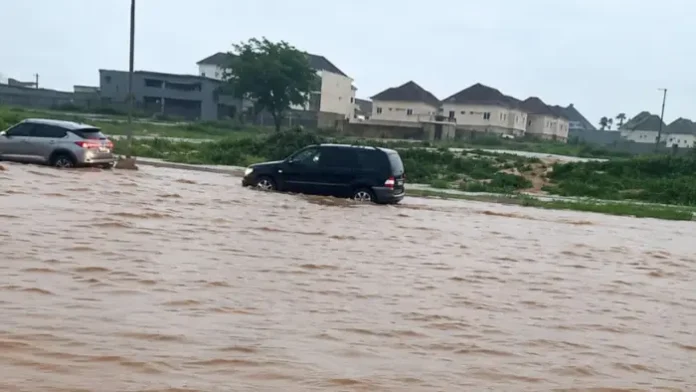
The recent disclosure by the Nigeria Hydrological Services Agency (NiHSA) that over 2,270 communities in Nigeria are living on flood path has sent shock waves across the affected communities
The Federal government recently issued a fresh high flood-risk alert across 15 states, warning of rising river levels and possible riverine flooding between.
The warning, contained in NiHSA’s NFA-2026-262 alert, identified nine river stations requiring close monitoring, including Obubra, Itigidi and Epento along the Cross River.
The agency urged state and local governments, emergency management authorities, traditional institutions and residents of vulnerable communities to take precautionary measures before flooding occurs.
Already, many of the state governments in partnership with traditional and religious leaders have begun to make frantic moves to relocate their people to safer locations. Others are considering building structures to hedge against the impending flooding in the areas.
NiHSA Director-General and Chief Executive Officer, Umar Ibrahim Mohammed, said early action was critical to preventing avoidable loss of lives, property and livelihoods.
The scale of potential exposure is particularly significant in Cross River State, where NiHSA’s assessment identified 2,471 communities, 703 schools, 344 health facilities, 145 markets and 453 religious centres, as well as 854 hectares of farmland, within the identified flood-exposure areas.
Other states highlighted in the assessment include Imo, Ebonyi, Benue, Anambra and Akwa Ibom, alongside nine other states covered in NiHSA’s detailed state assessments.
Mohammed urged residents in flood-prone communities to relocate people, livestock and valuables to safer, higher ground where necessary and activate community-based early-warning and response systems.
He also advised residents to monitor NiHSA’s flood and river-level advisories, avoid crossing flooded roads, bridges and fast-moving water, and prepare safe locations for possible temporary evacuation.
Authorities and communities were further advised to pre-position relief materials, safe drinking water, water-treatment supplies and first-aid materials, while clearing blocked drainage channels and river outlets where it is safe to do so.
NiHSA also warned against construction and habitation in vulnerable floodplain areas.
The agency said it would continue monitoring hydrological conditions and river levels across the affected areas and issue further updates as necessary.