

BY AHMED AKANBI
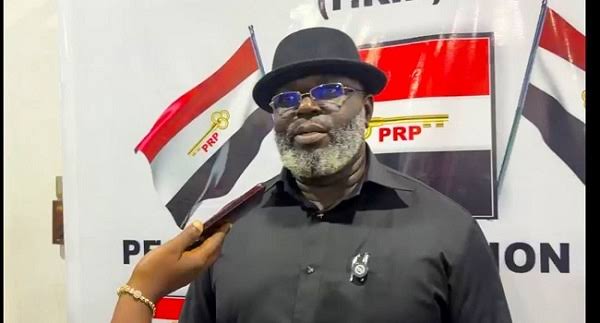
The governorship candidate of the Peoples Redemption Party (PRP) in Rivers State, Nature Dumale Kieghe, has backed a possible alliance among opposition parties ahead of the February 6, 2027 governorship election, but admitted stepping down for another candidate would be difficult.
Kieghe said opposition parties need to join forces to challenge the dominant political groups in the state, but warned that agreeing on a consensus candidate could become a major challenge.
He disclosed that the PRP is awaiting directives from its national leadership on a proposed coalition with the G100, adding that ongoing discussions will determine the party’s next political move in Rivers.
Speaking in Port Harcourt on Tuesday, Kieghe said opposition parties should consider working together rather than approaching the election separately, noting that the PRP national leadership, led by Dr Hakeem Baba-Ahmed, has indicated readiness to enter into a coalition arrangement with the G100.
However, he questioned how the proposed alliance would produce a candidate acceptable to all participating parties, saying surrendering his ambition would be difficult because of the plans he has for Rivers State.
The candidate also insisted his ambition is not driven by wealthy political sponsors, claiming he has no godfather backing his bid, and describing the PRP as a self-funded party supported through private consultations with individuals and groups who share its beliefs.
Kieghe said the party has been engaging supporters ahead of its formal campaign, adding that its political message is based on ideology rather than financial strength.
Meanwhile, the PRP candidate unveiled a four-point development agenda, promising to make accountability, community participation, youth empowerment and security the focus of his proposed administration.
He proposed establishing People Development Offices in all 23 local government areas to identify residents’ needs and connect them with government programmes, grants and training opportunities, and Community Development Agreements that would legally bind the state government to deliver projects that reflect community priorities.
On accountability, Kieghe proposed a State Accountability Council and an open Citizen Accountability Portal through which residents could monitor government spending, awarded projects and jobs created in real time, and give feedback every quarter.
On security, he promised to address youth violence, drug abuse and other social problems through rescue, rehabilitation, reconciliation and reintegration programmes, drawing on his experience with the Youth Rescue International Development Organisation, which runs rehabilitation centres in Plateau and Rivers states.
He also promised improved and regular bursary payments for students and stipends for unemployed graduates as part of efforts to reduce youth involvement in crime, saying his administration would focus on delivering measurable results within four years and urging Rivers residents to support his political movement.