


By Onu Okorie
The Special Adviser to the President on Power, Lanre Babalola, has emphasized the need for prudent resource management, enhanced operational discipline, and sustained efforts to improve grid performance and reduce system disturbances across Nigeria’s electricity sector.
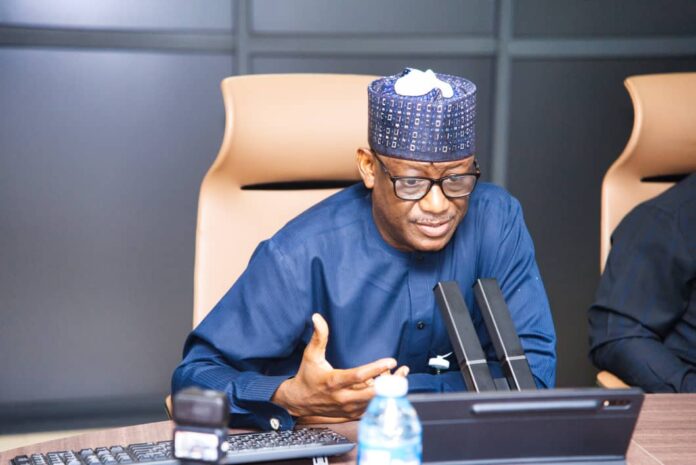
Babalola made the remarks weekend during a visit to the corporate headquarters of Nigerian Independent System Operator NISO in Abuja, where he led a delegation to engage with the management team headed by the Managing Director and Chief Executive Officer, Abdu Bello Mohammed.
The visit provided a platform for strategic discussions on the operation of the national grid, ongoing reforms in the power sector, and the Federal Government’s commitment to supporting NISO in the effective execution of its mandate. Discussions also focused on strengthening grid reliability, operational efficiency, transparency, and overall system stability.
Speaking during the engagement, Babalola underscored the importance of deploying resources efficiently and maintaining high standards of operational discipline to achieve sustainable improvements in electricity supply. He noted that consistent efforts to enhance grid performance and minimize system disturbances remain critical to the growth and stability of the Nigerian Electricity Supply Industry NESI.
The presidential adviser further reaffirmed NISO’s pivotal role in driving a more stable, resilient, and efficient power sector, stressing that the organisation remains central to the successful implementation of reforms aimed at improving electricity delivery across the country.
In his response, Mohammed assured the delegation of NISO’s unwavering commitment to advancing grid reliability and operational excellence. He reiterated the organisation’s determination to support national efforts aimed at building a stronger, more sustainable electricity supply industry capable of meeting the needs of Nigerians.
The visit reflects the ongoing collaboration between the Federal Government and NISO to strengthen the performance of the national grid and enhance the reliability of power supply as part of broader efforts to transform Nigeria’s electricity sector.