

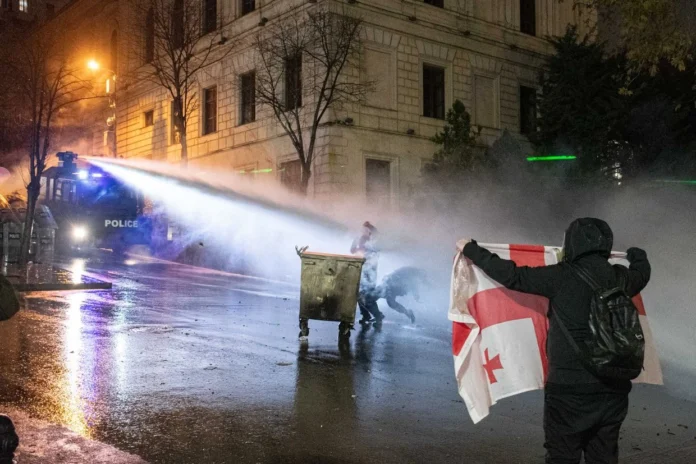

Georgia has opened an investigation into a BBC report that alleges authorities deployed a World War I chemical agent against anti-government protesters last year. The claim has brought fresh scrutiny to a state response that has already drawn criticism at home and abroad.
The BBC said it gathered testimony from protesters, whistleblowers, UN experts, medical researchers, and specialists in Georgia who pointed to the possible use of a World War I era substance during demonstrations. In a statement, the broadcaster said its reporting was based on direct accounts and documented evidence, adding that the material was presented clearly and in the public interest.
Georgia’s state security service confirmed it is examining the findings and the sources cited. The agency said the published material suggested potential crimes that could threaten the life and health of citizens and undermine their rights. It also argued that the allegations themselves could harm the country’s national interests and international standing.
Protests have roiled the Black Sea nation for more than a year, fuelled by anger over last year’s parliamentary election, which the opposition says was rigged to benefit the ruling Georgian Dream party.
The government’s decision not to pursue the start of EU membership talks until 2028 intensified the demonstrations.
During the early stages of the unrest, police deployed water cannons and tear gas to break up crowds. The country’s rights ombudsman and Amnesty International later reported that abuses against detained protesters amounted to torture. Georgian Dream has rejected claims of democratic backsliding or alignment with Moscow.